Entrepreneurship is sold as the ultimate freedom. You set the hours, you build something of your own, and you answer to nobody but yourself and your customers. What rarely gets discussed with the same enthusiasm is the psychological weight that comes with it. The isolation, the financial pressure, the blurred lines between identity and business, and the relentless expectation of resilience make asking for help feel like admitting failure.
That pressure does not disappear. It accumulates. And for a significant number of founders, it gets managed in ways that start as coping mechanisms and gradually become something more difficult to walk away from.
Substance use among entrepreneurs is more common than the industry likes to acknowledge. The same traits that drive successful founders, high tolerance for risk, intense drive, a tendency to push through discomfort, and a reluctance to slow down, also create a particular vulnerability to dependency when alcohol or other substances become a regular tool for managing stress, celebrating wins, or simply switching off at the end of a relentless day.
The Entrepreneurship-Substance Use Connection
Research consistently shows that high-stress occupational environments elevate the risk of problematic substance use. Entrepreneurs operate in one of the highest-stress environments that exists, combining financial uncertainty, social isolation, irregular hours, minimal oversight, and the constant pressure of decisions that affect not just themselves but their teams and their families.
Alcohol in particular sits at the centre of business and entrepreneurship culture in ways that normalise consumption at levels that would register as concerning in other contexts. Client dinners, networking events, investor celebrations, and team drinks after a product launch. The culture around drinking in business is so embedded that it is easy to lose sight of where social drinking ends and dependency begins.
The shift is often gradual. A couple of drinks to wind down after a difficult day becomes a nightly habit. A few drinks before a high-stakes pitch becomes a way of managing nerves. The quantity escalates while the rationale stays plausible. The person is still functioning. The business is still running. The problem feels theoretical rather than real.
Until it does not.
Why Founders Are Particularly Vulnerable
Several characteristics of the entrepreneurial personality and environment combine to create a specific risk profile that is worth understanding.
High autonomy means there are fewer external checks on behaviour. Nobody is watching the clock or monitoring how a founder spends their evenings. The accountability structures that exist for employees do not apply in the same way, and the absence of those structures removes one of the natural checks on escalating use.
Identity fusion is another significant factor. Many founders describe their business as a core part of who they are rather than simply what they do. When the business struggles, they struggle. When the business succeeds, the relief is intense and temporary before the next challenge arrives. This emotional volatility creates a consistent demand for regulation that substances can seem to address in the short term.
Social isolation is widely reported among founders and is particularly acute in the early and high-growth stages of a business. The loneliness of leadership, of being the person everyone looks to for answers while having no peer to share the real picture with, creates a pressure that is easy to underestimate until you are inside it.
Perfectionism and the inability to ask for help compound all of the above. Founders who have built their identity around being capable, resilient, and in control find it genuinely difficult to acknowledge when they are not managing well. Seeking support can feel inconsistent with the self-image that has driven their success.
Recognising When It Has Gone Beyond Coping
The line between coping and dependency is not always obvious from the inside. Some of the clearest signals worth paying attention to include drinking more than intended regularly, using alcohol to manage anxiety, sleep, or social discomfort that it previously was not needed for, finding it difficult to enjoy relaxation or social events without drinking, experiencing irritability or unease when alcohol is not available, and noticing that the quantity required to achieve the same effect has increased over time.
Physical symptoms including disrupted sleep despite being tired, morning anxiety, and reduced energy and cognitive clarity that does not improve with rest can all indicate that alcohol is affecting the body more significantly than it once did.
For many founders, the most honest assessment of where they sit comes not from comparing themselves to a clinical definition but from a simple question: would you be comfortable if everyone who matters to you could see exactly how much you drink and why?
Seeking Help Is a Leadership Decision
Addressing a substance use problem is not a personal failure. For a founder, it is a leadership decision. The business you have built depends on you being at your best, making good decisions, sustaining meaningful relationships, and bringing the clarity and energy that your team and your customers deserve. A dependency that goes unaddressed does not stay the same. It progresses.
For founders in Melbourne who have recognised that their relationship with alcohol has moved beyond what they can manage independently, structured professional support provides the contained, focused environment that recovery requires. Inpatient alcohol rehabilitation in Melbourne through Arrow Health offers an evidence-based residential programme that removes the triggers and pressures of daily life while providing the clinical and psychological support needed to address dependency at its root rather than its surface.
Residential treatment is particularly well suited to founders and high-performing individuals because it creates genuine separation from the demands and stressors that have been driving use. The intensity of the programme, combined with the removal of the usual environment, produces progress in weeks that outpatient approaches often cannot achieve across months.
Building a Business That Does Not Require You to Be Invincible
The deeper conversation that substance use in entrepreneurship points toward is the sustainability of hustle culture itself. A business model that requires the founder to operate at maximum intensity indefinitely, suppressing vulnerability, ignoring physical needs, and treating rest as a failure of ambition, is not a scalable model. It is a liability.
The founders who build lasting businesses and maintain the wellbeing to enjoy what they have built are those who recognise the limits of their own capacity and build support structures around them. That includes professional support when circumstances require it.
Seeking help when you need it is not the opposite of being a high performer. For the best founders, it is part of how they stay one.
If you are struggling and not sure where to start, speaking confidentially with a professional is always the right first step. You do not need to have it figured out before you reach out.
Related Categories
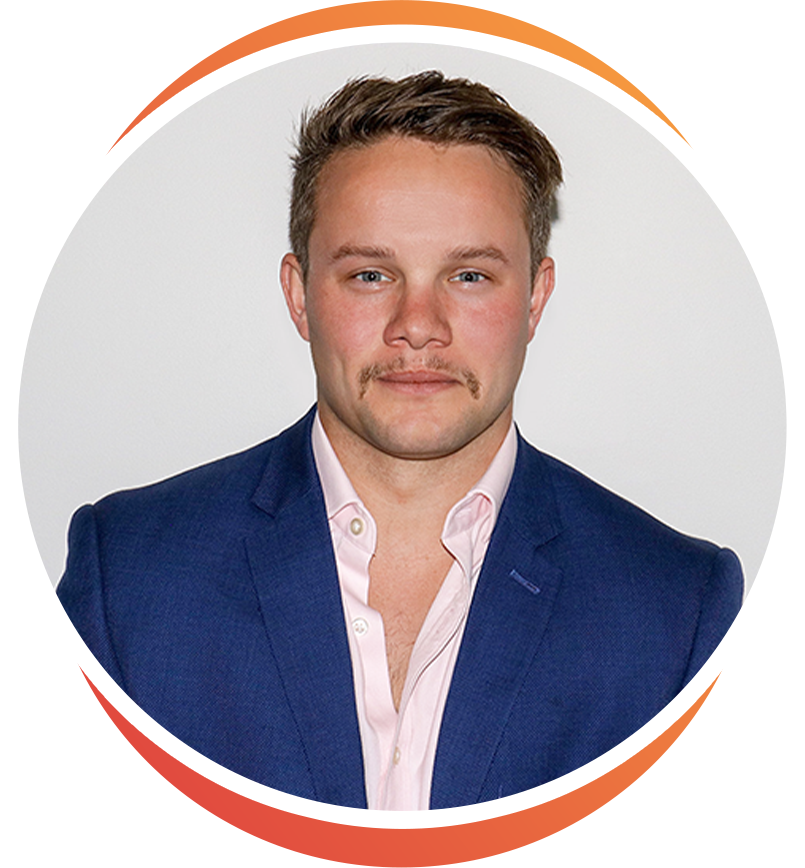
Ryan Terrey
As Director of Marketing at The Entourage, Ryan Terrey is primarily focused on driving growth for companies through lead generation strategies. With a strong background in SEO/SEM, PPC and CRO from working in Sympli and InfoTrack, Ryan not only helps The Entourage brand grow and reach our target audience through campaigns that are creative, insightful and analytically driven, but also that of our 6, 7 and 8 figure members' audiences too.