For much of the last decade, the dominant startup story was about focus. Find one problem, build one solution, and scale it relentlessly. That approach still has merit, but now, many founders are quietly changing how they think about growth.
Instead of betting everything on a single revenue engine, more entrepreneurs are building portfolios of businesses. These might be small, AI-enabled products, complementary services, or niche digital plays that can stand alone yet reinforce each other. The logic is simple: resilience now matters as much as speed.
This matters because markets are moving faster than business plans. Customer behaviour shifts quickly, platforms rise and fall, and regulatory changes can hit without warning. Portfolio thinking is emerging as a practical response, not a theoretical one.
Building Complementary Income Streams
Portfolio thinking does not mean chasing every shiny opportunity. The strongest portfolios are built around adjacent problems and shared capabilities, such as audience access, technical infrastructure, or brand trust. A consulting offer might sit alongside a SaaS tool, or a content platform might support multiple paid products.
Digital-first markets make this easier to manage. Founders increasingly apply the same evaluation discipline to side ventures as they would to core products, comparing user experience, compliance, and long-term sustainability. Even in regulated leisure sectors, entrepreneurs approach analysis with a business lens. For example, when assessing platforms ranked as the best casino Australia has to offer, people often compare safety and performance, then game options later.
A similar pattern shows up in subscription‑based fitness apps, where users weigh data privacy, training quality, and cancellation policies before they ever look at bonus features. The same is true for digital learning platforms, where reliability and accreditation matter far more than the size of the course library.
The mindset of due diligence and risk control serves well across sectors, especially with so many new and competing platforms to choose from nowadays.
Why Single-Revenue Models Stall
A single-revenue model often works well early on. It creates clarity, keeps teams aligned, and simplifies decision-making. Over time, though, that same focus can become a constraint, especially when growth slows or acquisition costs climb.
Economic volatility has amplified this risk. When one channel underperforms or one customer segment dries up, founders with only one income stream have limited room to manoeuvre. There is no buffer, only pressure to fix everything at once.
Technology is changing the equation. Solo founders now account for roughly 35% of new U.S. startups, double the share from a decade earlier, according to data cited in this tech trends analysis. Lower barriers mean entrepreneurs can test, launch, and iterate without committing their entire future to a single idea.
Risk, Regulation, And Focus
Diversification is often framed as a hedge, but it also sharpens strategic thinking. When founders operate more than one venture, they become acutely aware of regulatory exposure, platform dependence, and operational drag. That awareness feeds back into better decision-making across the portfolio.
However, risk management only works when boundaries are clear. Each venture needs defined metrics, legal separation where appropriate, and an honest assessment of downside. Without that structure, portfolios can become distractions rather than stabilisers.
Focus still matters, just at a different level. Instead of focusing on one product, founders focus on a coherent system of businesses that share values and resources. The discipline shifts from execution depth in one lane to orchestration across several.
Deciding What Belongs In Your Portfolio
Not every idea deserves a place. The real question is whether a new venture strengthens the overall position of the founder or simply adds noise. Strong candidates usually leverage existing strengths, solve related customer problems, or create optionality for future pivots.
Investor expectations are also evolving. Backers increasingly favour entrepreneurs who can demonstrate multi-venture agility, because it signals adaptability and a realistic view of risk. A tested portfolio shows learning speed, not a lack of commitment.
For founders scaling in 2026, portfolio thinking is less about doing more and increasingly about designing smarter. By spreading exposure, using AI to stay lean, and choosing complementary plays, entrepreneurs can build growth strategies that hold up when conditions change. That resilience may turn out to be the most valuable asset of all.
Related Categories

Ryan Terrey
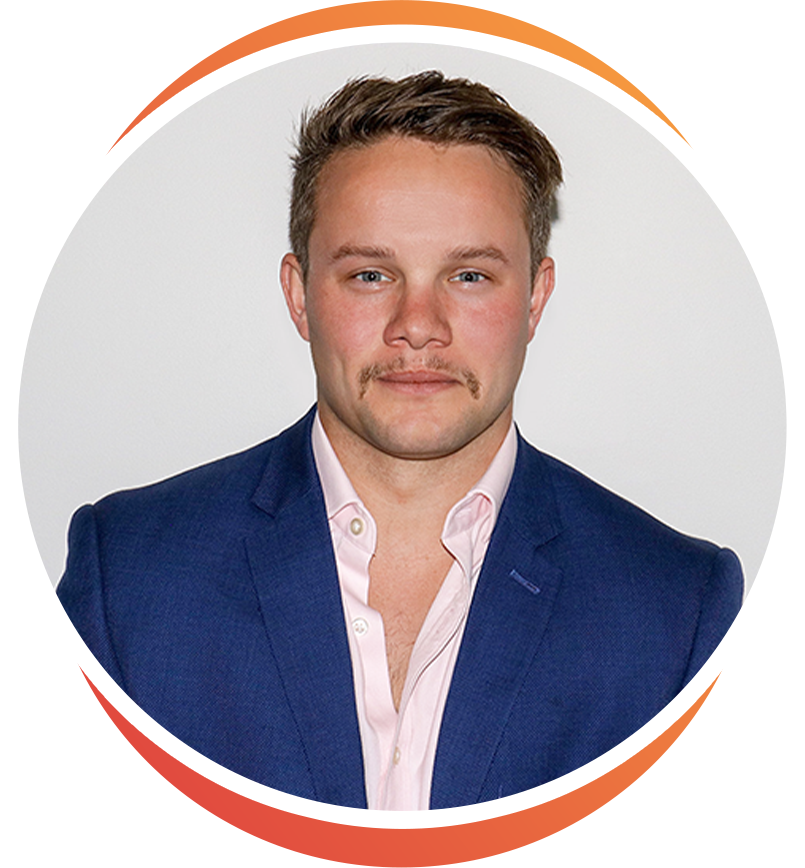
As Director of Marketing at The Entourage, Ryan Terrey is primarily focused on driving growth for companies through lead generation strategies. With a strong background in SEO/SEM, PPC and CRO from working in Sympli and InfoTrack, Ryan not only helps The Entourage brand grow and reach our target audience through campaigns that are creative, insightful and analytically driven, but also that of our 6, 7 and 8 figure members' audiences too.