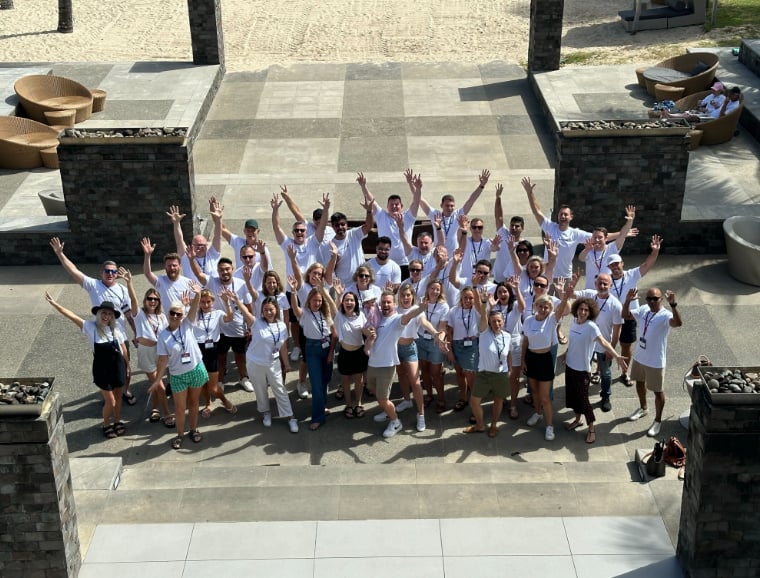
In modern workplaces, meetings are unavoidable, but inefficiency is not. Team gatherings can either drive clarity and momentum or quietly erode focus and morale.
Highly productive meetings help teams align on priorities, solve problems efficiently, and move work forward with confidence.
Poorly run ones consume time without delivering value. The difference lies in preparation, structure, and follow-through rather than frequency.
Running effective team gatherings requires intentional design. When leaders approach meetings as tools for outcomes instead of calendar fillers, they create space for better decisions, stronger collaboration, and sustained productivity.
Start With a Clear Purpose
Every productive meeting begins with a clear reason for coming together. Before scheduling anything, it is important to identify the specific outcome the session should achieve.
This could involve making a decision, aligning on next steps, solving a problem, or gathering input.
When the purpose is clearly defined in advance, participants arrive with the right expectations and mindset.
Purpose helps determine whether a meeting is even necessary. Some updates or discussions can be handled asynchronously, freeing time for deeper work.
When meetings are reserved for moments that genuinely benefit from real-time collaboration, their value increases significantly.
Plan and Structure the Discussion
Structure gives meetings direction.
Without it, conversations drift, dominant voices take over, and topics get rushed or overlooked. One of the most effective ways to maintain structure is to create an effective meeting agenda that outlines discussion topics, assigns ownership, and allocates time for each item. This approach guarantees that participants understand what will be discussed and why their presence matters.
When agendas are shared ahead of time, participants can prepare thoughtful input instead of reacting on the spot. A clear structure makes it easier to keep discussions on track when time runs tight.
A visible agenda permits facilitators to redirect conversations without seeming dismissive. Assigning owners to agenda items encourages accountability and balanced participation. Timeboxing topics helps teams focus on decisions instead of endless context sharing.
Invite Only Important Participants
Meetings are most productive when everyone in the room has a clear role. Inviting too many people often leads to disengagement, side conversations, or passive attendance.
Each participant should be able to contribute insight, make decisions, or take ownership of next steps. When fewer but more relevant voices are present, discussions become sharper and more efficient.
Those who do not need to participate directly can still stay informed through summaries or shared notes after the meeting. This approach respects everyone’s time and maintains transparency.
Being selective reduces the pressure to perform for a large audience. Participants are more likely to speak candidly when the group feels purposeful and small.
Clear invitations set expectations about why someone is included and what is expected of them. This clarity helps prevent meetings from becoming status updates instead of working sessions.
Respect Time and Energy
Time boundaries signal respect. Starting and ending meetings on schedule reinforces discipline and trust, and encourages concise communication.
Assigning time limits to discussion points helps teams prioritize what truly matters and prevents conversations from lingering without resolution.
Shorter meetings, when paired with clear objectives, often produce better outcomes than long, unfocused sessions. Even reserving a few minutes at the end to summarize progress and confirm next steps can significantly improve follow-through.
Clear time boxes reduce decision fatigue. When people know there is a limit, they prepare better and get to the point faster.
Parking off-topic ideas in a visible backlog keeps momentum without dismissing input. Ending on time builds goodwill for the next meeting on everyone’s calendar.
Develop Psychological Safety
Productive gatherings rely on open participation. Psychological safety allows team members to share ideas, raise concerns, and ask questions without fear of judgment. When people feel heard and respected, discussions become richer and more honest.
Leaders can model this by inviting quieter voices into the conversation, responding constructively to differing opinions, and treating mistakes as learning opportunities.
This creates a culture where meetings become spaces for problem-solving rather than performance.
Psychological safety improves decision quality since risks surface earlier. Simple norms help, like no interrupting, crediting ideas by name, and separating critique of ideas from critique of people.
Follow-through matters too, since acting on feedback proves that speaking up has an impact. Anonymous pre-meeting input can help hesitant contributors share perspectives without pressure.
Use Visuals to Improve Clarity
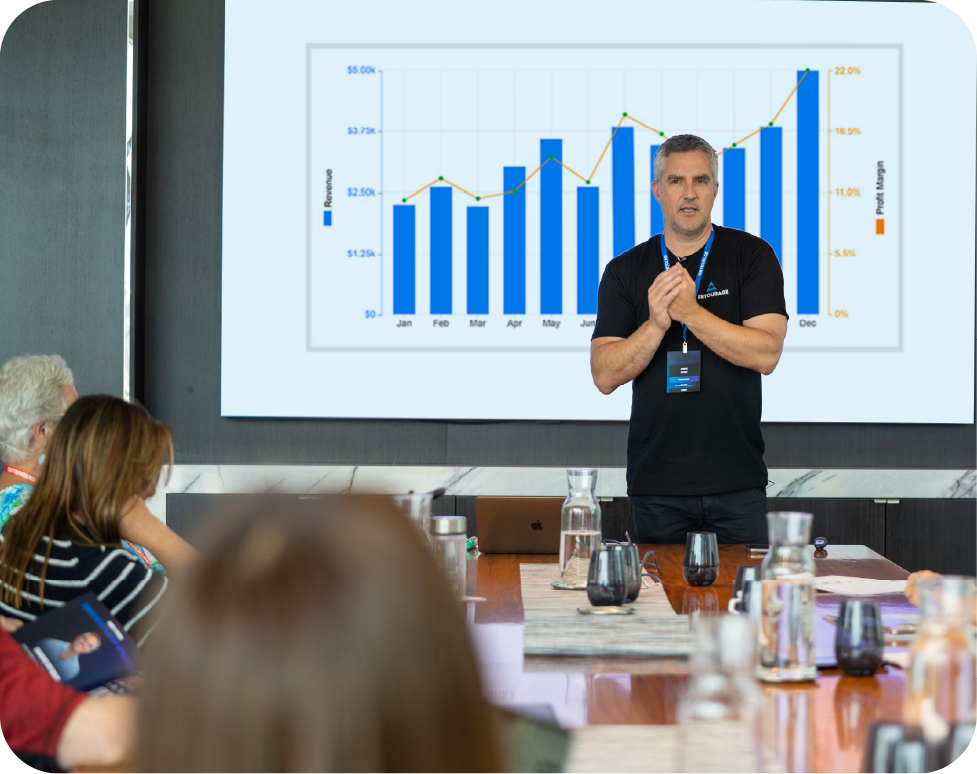
Visual tools can transform abstract conversations into shared understanding. Diagrams, flowcharts, and live whiteboarding help teams process information more quickly and align on complex ideas.
For remote or hybrid teams, digital collaboration boards serve the same purpose by keeping everyone engaged and focused.
Visual references create artifacts that teams can revisit after the meeting, reducing confusion and reinforcing alignment.
Capture Decisions and Actions
A meeting’s success is measured by what happens afterward. Documenting decisions, action items, and ownership guarantees accountability and momentum.
Clear follow-up prevents teams from revisiting the same topics repeatedly and helps translate discussion into execution.
All outcomes should be accessible in shared tools so that responsibilities remain visible and progress can be tracked without additional meetings. Productive teams turn meeting outcomes into action with task management software that tracks who owns what and by when.
Use Asynchronous Communication Strategically
Not all collaboration needs to happen live. Sharing background information, updates, or pre-reads in advance allows meetings to focus on discussion and decision-making rather than information delivery. This approach is valuable for distributed teams working across time zones.
When used well, asynchronous communication reduces meeting fatigue and improves meeting quality.
Build a Habit of Improvement
Meetings should evolve as teams do. Periodically reflecting on what works and what doesn’t helps refine formats and eliminate inefficiencies. Even brief feedback moments can uncover patterns that, once addressed, significantly improve future gatherings.
Core Elements of Highly Productive Team Gatherings
- Clear purpose and defined outcomes
- Structured agenda with time allocation
- Right participants with clear roles
- Respect for time boundaries
- Psychological safety and inclusive participation
- Visual support for clarity
- Documented decisions and action items
- Thoughtful use of asynchronous communication
Highly productive team gatherings do not happen by chance. They are the result of thoughtful planning, disciplined execution, and continuous refinement.
By focusing on purpose, learning to create an agenda, and developing an environment of clarity and trust, teams can turn meetings into powerful drivers of progress rather than routine obligations.
Related Categories

Ryan Terrey
As Director of Marketing at The Entourage, Ryan Terrey is primarily focused on driving growth for companies through lead generation strategies. With a strong background in SEO/SEM, PPC and CRO from working in Sympli and InfoTrack, Ryan not only helps The Entourage brand grow and reach our target audience through campaigns that are creative, insightful and analytically driven, but also that of our 6, 7 and 8 figure members' audiences too.