Modern fleet safety is less about luck and more about feedback. When vehicles, drivers, and managers can see the same facts, it gets easier to prevent small mistakes from turning into big incidents.
Technology can lower the stress of the job. Instead of relying on memory after a close call, teams can review what happened and agree on a safer habit for next time.
Safety Signals Start With Better Visibility
Crashes rarely come out of nowhere. They are often the last step in a chain that includes distraction, fatigue, and rushed decisions.
When a fleet can capture the moments right before a near-miss, it can talk about what to do differently without guessing. The most useful systems focus on clear behaviors like following distance, phone use, and scanning at intersections.
In a report on AI-enabled cameras, one long-term program combining dual-facing video, in-cab alerts, and coaching was linked to a 73% reduction in crashes over 30 months. A drop like that suggests the tools are not just recording problems - they are helping drivers correct risky moments when they are still small.
Telematics Turns Trips Into Patterns
Telematics helps fleets move from stories to trends. Instead of guessing why fuel, wear, or near-misses are rising, managers can review data across routes, vehicles, and times of day.
That pattern view is where safety shows up. A string of hard brakes on one route might point to a bad delivery window, a blind turn, or a training gap in speed control.
A recent fleet technology study found that 96% of respondents reported measurable savings from telematics. Those gains are not only dollars - they can show up as fewer harsh events, smoother driving, and better planning that removes pressure from tight schedules.
Cameras That Support Coaching, Not Gotchas
Good coaching starts with context, not blame. Video is useful when it shows what the driver could not see, like a tailgater, a sudden merge, or a confusing work zone that needs a different approach.
In a strong coaching setup, the driver and coach review the same clip and focus on 1 action the driver can repeat. Many fleets in delivery, service, and long-haul work choose a commercial fleet dash cam since it gives that shared view of the moment without turning every trip into a trial. When coaching is specific and calm, drivers are more likely to accept feedback and try the change on their next run.
The key is consistency. If reviews happen for the same reasons every time, and the standard is clear, drivers stop feeling singled out and start seeing the system as support.
Policies Make the Technology Usable
Tools without rules create confusion. Clear policies tell everyone what is recorded, how long it is stored, and how it can be used in training or investigations.
Keep privacy and access simple
Write down who can view footage, what events trigger review, and how requests are handled. When the process is written and followed, drivers know what to expect, and managers avoid on-the-spot decisions that feel personal.
It helps to define how coaching notes are stored and who can see them. That keeps safety talks focused on improvement, and still protects drivers from needless sharing.
Risk Scores Can Help If They Are Explained
Scores and alerts are only useful when people understand them. If the system flags "unsafe driving" but nobody can tell what caused the score, it turns into noise.
A better approach is to connect each score to a short list of behaviors a driver can control. The score should feel like a map, not a mystery, and drivers should know how long an event stays in the calculation.
A 2024 fleet management study cited an FMCSA finding that carriers above the Unsafe Driving BASIC intervention threshold had a 93% higher crash rate than the national average. That is a strong reason to treat risk signals seriously, but it shows why transparency matters - the actions behind the score are what you can actually fix.
A Rollout Plan That Sticks
Rolling out safety tech works best in small, steady steps. It helps to start with a pilot group, learn what drivers dislike, and adjust before scaling to the whole operation.
- Pick 1-2 goals, like fewer hard brakes or fewer backing incidents.
- Train coaches on how to give short, specific feedback in the same format.
- Review early clips together and label what "good" looks like on your routes.
- Share results monthly, including what changed and what did not, so rumors do not fill the gap.
- Refresh policies when edge cases show up, like shared vehicles or unusual customer sites.
New tools can feel like extra work at first, but the routine gets easier with time. When fleets treat data as a coaching aid and keep the rules consistent, they usually see fewer surprises and a calmer safety culture.
Related Categories



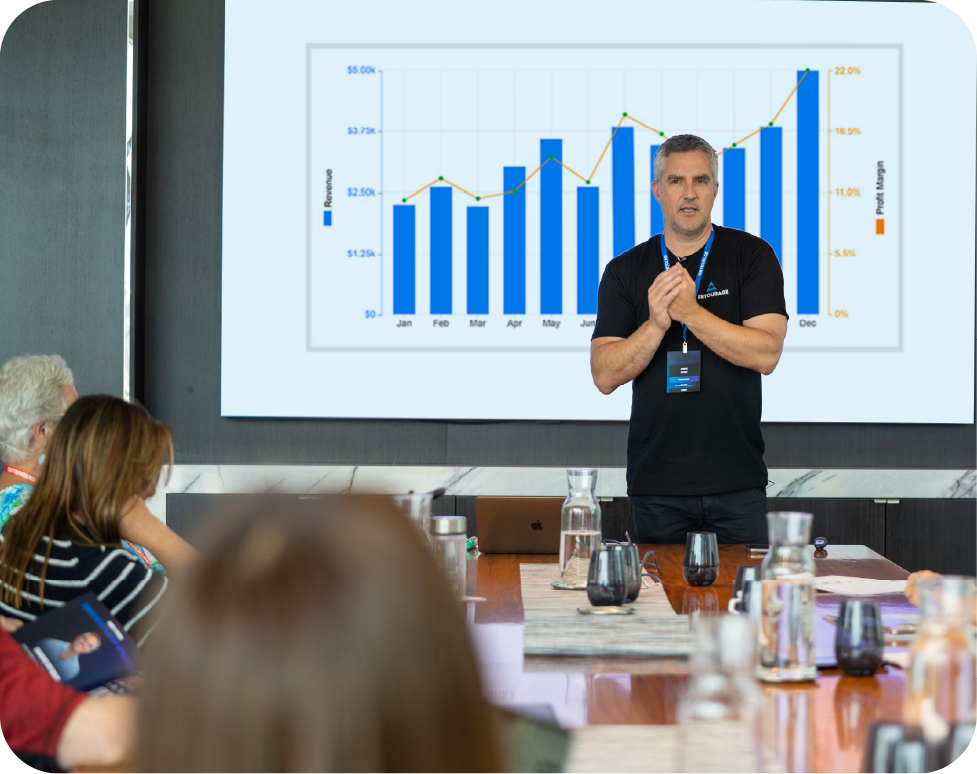

Ryan Terrey
As Director of Marketing at The Entourage, Ryan Terrey is primarily focused on driving growth for companies through lead generation strategies. With a strong background in SEO/SEM, PPC and CRO from working in Sympli and InfoTrack, Ryan not only helps The Entourage brand grow and reach our target audience through campaigns that are creative, insightful and analytically driven, but also that of our 6, 7 and 8 figure members' audiences too.