The effectiveness of any political campaign is inherently tied to when its message is delivered, not just what the message contains. Voter attention is a finite and fluctuating resource, often peaking in the weeks immediately preceding an election. Campaigns must strategically allocate their resources, including advertising, public events, and door-to-door canvassing, to maximize recognition and recall when voters are most engaged.
A well-timed campaign can capitalize on favorable news cycles, exploit opponent missteps, or respond immediately to unexpected events that shift public focus. Conversely, a message delivered too early may be forgotten, while one delivered too late risks being ignored amidst the final information glut before election day. The precise synchronization of visibility and message delivery is therefore a strategic necessity.
This process of optimizing exposure relative to the electoral calendar is a central concern for campaign strategists. Understanding this relationship is critical to electoral success, and its strategic importance is encapsulated in the concept of campaign timing.
Early Versus Late Exposure
Campaigns face a trade-off between generating early familiarity and ensuring messages are fresh in voters' minds when they cast their ballots. Early exposure, often achieved through lengthy primary battles or continuous advertising, helps build foundational name recognition and shapes the initial frame through which a candidate is viewed.
However, early messages are subject to the decay of memory. Voters may become familiar with a name but forget the policy details, leading to the "mere-exposure effect" where familiarity, not knowledge, drives the vote. Late exposure, concentrated in the final weeks, aims to prime specific messages and maximize voter recall right before Election Day.
The most effective strategy often involves layering exposure: using early efforts to establish core identity and legitimacy, and reserving the most emotionally potent, call-to-action messaging for the final push, ensuring the message resonates during the critical decision period.
News Cycles and Attention Spans
Modern political campaigns operate within hyper-accelerated 24/7 news cycles that constantly compete for public attention. A campaign's carefully planned message can be instantly overwhelmed or rendered irrelevant by a breaking international story, a natural disaster, or a major controversy involving a rival.
This competition necessitates extreme flexibility in timing. Campaigns must schedule their most important announcements—such as policy rollouts, major endorsements, or contrast ads—to land during moments when media coverage is anticipated to be less saturated, giving the message room to breathe and gain traction.
Shortened attention spans, fueled by constant digital media consumption, mean that campaigns must constantly refresh their message and timing. They cannot rely on a single, prolonged media blitz but must instead deploy a continuous stream of timely, relevant, and concise communication "bursts" to maintain public awareness.
Local Context and Voter Routines
While national media attention often spikes dramatically toward Election Day, local voter awareness follows different, more predictable routines tied to regional factors. In many communities, voter engagement may increase around specific local events, such as school board meetings, town halls, or seasonal festivals.
Effective timing requires understanding these localized cycles of attention. For instance, a candidate might choose to ramp up sign placement or canvassing during the local summer festival season, or launch a targeted digital campaign during the weeks when local property tax bills are due, tying their message to immediate resident concerns.
Crucially, campaign timing must respect the rhythms of working life; contacting voters through phone banking or door-knocking must be timed to coincide with when residents are most likely to be home and receptive, typically in the evening or on weekends, maximizing the impact of personal outreach efforts.
Coordinating Timing Across Tactics
Successful campaigns ensure a unified timing strategy across all deployed tactics—from social media posts and television advertisements to direct mail and volunteer outreach. Consistency in timing and messaging reinforces the central narrative and prevents contradictory signals from confusing the electorate.
For example, a campaign might time the release of a negative attack ad to coincide precisely with a major opponent speech, thereby distracting from the rival's platform. Simultaneously, a positive, counter-narrative ad might be launched on social media the following day to re-center the candidate's own message.
This coordination ensures that the campaign is perceived as cohesive and disciplined, lending authority to its communication. Any slippage in coordination—such as a key press release dropping on a Friday evening when media attention is lowest—can dilute the impact of otherwise strong messaging.
Timing as a Strategic Constraint
Timing often functions as a severe strategic constraint, particularly for underfunded or late-entry candidates. Lack of financial resources can limit the ability to launch advertising early or sustain exposure throughout a lengthy campaign, forcing a high-stakes, late-stage "Hail Mary" effort.
Furthermore, regulations impose constraints, such as blackout periods for political advertisements near polling places or deadlines for voter registration drives, which are non-negotiable elements of the campaign calendar. These hard stops define the absolute boundaries within which all strategic timing decisions must be made.
Ultimately, whether dictated by budget, law, or the psychology of voter memory, the strategic constraints of campaign timing force campaigns to prioritize ruthlessly. It determines which voters they target, which messages they deploy, and which windows of opportunity they absolutely must seize to achieve electoral viability.
Related Categories




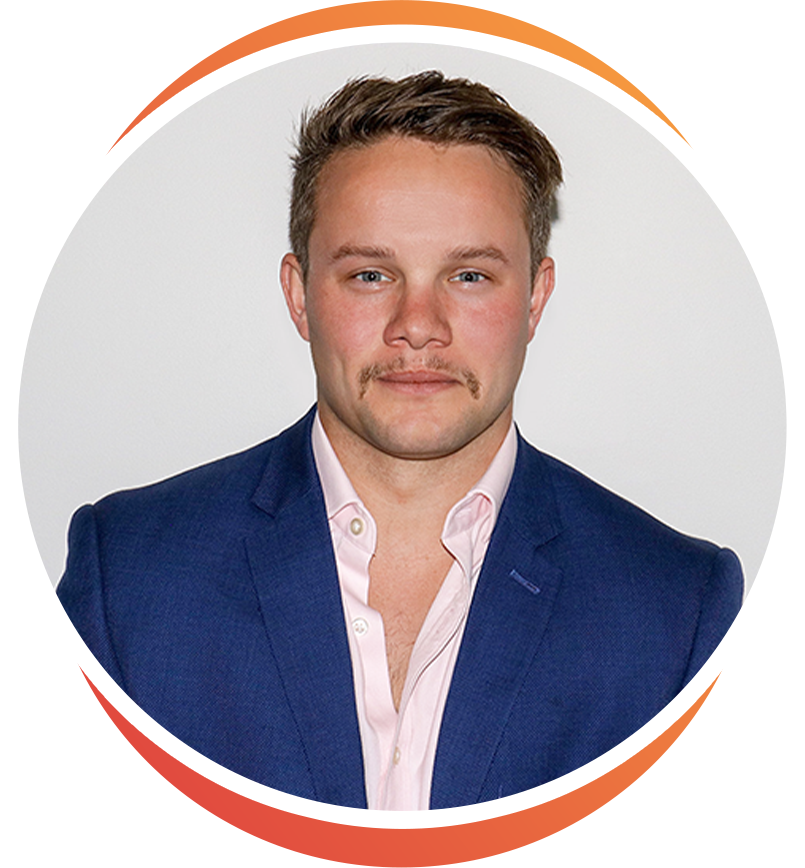
Ryan Terrey
As Director of Marketing at The Entourage, Ryan Terrey is primarily focused on driving growth for companies through lead generation strategies. With a strong background in SEO/SEM, PPC and CRO from working in Sympli and InfoTrack, Ryan not only helps The Entourage brand grow and reach our target audience through campaigns that are creative, insightful and analytically driven, but also that of our 6, 7 and 8 figure members' audiences too.