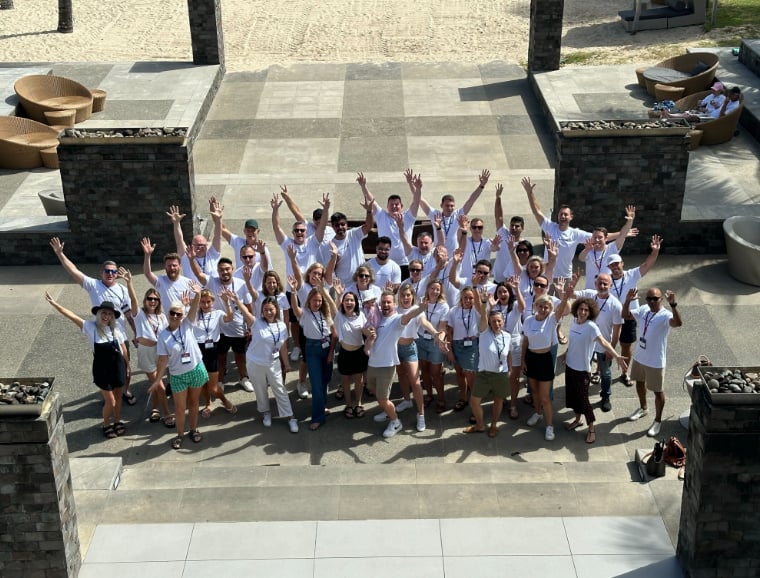
Working from home can be a superpower or a time sink. The difference comes from a few simple systems that keep your focus sharp and your energy steady. Below are practical, real-world strategies entrepreneurs use to structure their days, reduce noise, and ship meaningful work. None of this requires fancy tools - just consistent habits and a space that supports the way you think and build.
Wall-Mounted Range Hoods: Quiet, Clean Air, Better Focus
Your workspace starts with the air you breathe. Kitchen noise and lingering odors can drift into open-plan homes, stealing attention during calls or deep work. If your office sits near the kitchen, a quiet wall-mounted range hood helps control both sound and air quality. You can also read more about models that move enough air without adding humidity. Choose a hood with strong CFM, easy-to-clean baffles, and a low-sone rating so it works behind the scenes while you work up front.
Set Clear Hours and Routines
Office walls used to signal when the day began and ended. At home, you create that signal with start times, shut-off times, and a short wind-up ritual. A recent report noted that UK employees now average about 1.8 days a week working remotely, indicating that hybrid patterns are the new normal. According to The Guardian, routines help people switch modes faster. Tie your day to anchors like a 10-minute plan session at 8:30 and a shutdown checklist at 5:30 so work does not leak into the evening.
Protect Deep Work Time
Entrepreneurs thrive on focus blocks where big problems finally click. Claim 90 to 120-minute windows for work that moves revenue, not just tasks that feel busy. Many companies now allow flexible location choices, and recent coverage from FlexOS noted that roughly two-thirds of firms in the US offer some form of work location flexibility. Use that flexibility to schedule your toughest thinking when your home is quiet, phones are off, and your brain is fresh.
Meetings, Messaging, and Asynchronous Habits
Not every idea needs a meeting. When possible, switch to async updates that people can read in 3 minutes. Keep live calls short with a single question, a decision owner, and a deadline. Mute nonessential channels during deep work so pings do not splinter attention. For chat, set status messages that match your focus blocks. For email, batch twice a day. Quick loom-style videos or concise memos replace many recurring calls and let teammates consume updates on their own time.
Energy, Breaks, and Movement
Your brain is attached to a body. Treat it like part of your tool stack. Plan micro-breaks and simple movement to keep energy steady across the day.
- Use a 50-10 rhythm for sustained focus without burnout
- Stand for 10 minutes each hour to reset posture and breathing
- Take a brisk 5-minute walk after lunch to avoid afternoon fog
- Keep water within reach and aim for 2 to 3 liters daily
- Eat protein-forward snacks so glucose spikes do not derail focus
Stack breaks with triggers. After each meeting, refill the water. After two focus blocks, step outside. A small routine beats a vague intention.
Measure Output, Not Hours
Busy is not the same as productive. Define weekly outcomes that ladder to 1 or 2 quarterly targets. Translate outcomes into a short list of deliverables you can show a teammate. Track progress in a simple doc or board and review it each Friday. If something slips, adjust scope or timeline, not just effort. Use a personal KPI like shipped pages, customer calls, or resolved tickets. Hours can be a useful guardrail, but outcomes are the scoreboard that matters.
Tools, Space, and Sensory Cues
Fewer, better tools reduce friction. Pick one notes app, one task manager, and one calendar. Keep only the gear you use daily on your desk. For sensory cues, light a lamp when you start and switch it off when you stop. Noise matters too. If your home is lively, choose closed-back headphones and a playlist that fades into the background. Pair that with a comfortable chair and a clean desk surface so your brain sees a place designed for work, not clutter.
A productive home setup is less about hacks and more about repeatable systems. Define clear hours, protect deep work, and use simple tools that cut friction instead of adding it. Keep your environment quiet, clean, and purpose-built, so focus comes easier. Measure output, not activity, and adjust your routines as your business evolves. With a few steady rules and a space that supports them, you can ship meaningful work, stay energized, and still leave room for the life you are building.
Related Categories

Ryan Terrey
As Director of Marketing at The Entourage, Ryan Terrey is primarily focused on driving growth for companies through lead generation strategies. With a strong background in SEO/SEM, PPC and CRO from working in Sympli and InfoTrack, Ryan not only helps The Entourage brand grow and reach our target audience through campaigns that are creative, insightful and analytically driven, but also that of our 6, 7 and 8 figure members' audiences too.