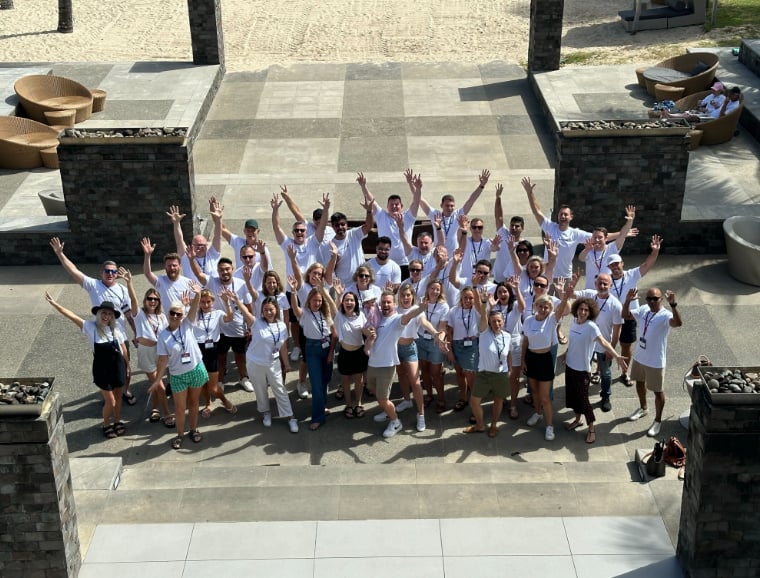
Most business owners know that strong teams communicate well under pressure. But creating those opportunities takes more than quarterly meetings. It takes more than annual retreats, too. Small activities that happen regularly build the collaboration that matters most.
Word search puzzles sound like something from elementary school. But they work surprisingly well as team exercises. Teams that solve puzzles together practice giving clear directions. They learn to listen carefully. They work toward shared goals without the pressure of real work tasks.
Why Simple Activities Build Better Teams
Team building gets complicated fast. Ropes courses cost money. Escape rooms need advance booking. Elaborate workshops eat up entire days. Growing businesses often can't swing that kind of time or budget. Simple activities take ten minutes and cost nothing. You can do them every week instead of once a year.
Puzzle activities create something researchers call "parallel play" for adults. Team members work on the same task without competing. Nobody wins or loses. This builds familiarity between people who might not talk much otherwise. A free word search generator lets you create custom puzzles with industry terms or company values. Your team practices working together while learning vocabulary that matters to your business.
Nobody feels put on the spot with puzzles. There's no performance anxiety. People who stay quiet in regular meetings often speak up more when the task feels playful. That comfort carries over to work conversations later.
How Focused Tasks Improve Team Communication
Communication usually breaks down when people rush or feel stressed. Training your team to communicate clearly under calm conditions helps those skills stick. Word searches need the same abilities as many work tasks. You scan for patterns. You process information quickly. You share what you find with others.
Two people working on the same puzzle develop their own shorthand. One person searches horizontal words. The other looks vertically. They call out letters and positions. They confirm findings before moving forward. These small interactions mirror how good teams coordinate on real projects.
Research from the Society for Human Resource Management shows something important. Employees who feel connected to coworkers stay with companies longer. Small shared activities build those connections faster than forced bonding events. The casual nature matters as much as the activity itself.
Setting Up Puzzle Time in Your Workplace
How you implement matters more than the activity itself. Random puzzle time without context feels pointless. But a ten-minute puzzle before a planning meeting shifts everyone into focus mode. People arrive ready to work. You skip that twenty-minute settling period that usually happens.
Here's what works well:
- Print custom puzzles with terms related to your current project
- Hand them out as team members arrive for meetings
- Let early finishers help others who need more time
- Use this natural collaboration to warm up the group
Some teams make puzzles part of Friday afternoon. Others use them during lunch or at training sessions. The timing doesn't matter as much as consistency. Weekly fifteen-minute sessions build more cohesion than quarterly events.
You can also use puzzles for onboarding new hires. They learn company vocabulary while meeting colleagues. No pressure. No awkward icebreakers. Just people working on something simple together. New team members pick up department names and product terms while connecting with others.
Making Activities Work Without Overcomplicating Them
Team building stops working the moment it becomes mandatory. Keep puzzle activities optional and informal. Put them out as an available choice. Don't require participation. The people who need connection the most usually join first.
Skip competitions unless your team already has that culture. Timed races create pressure. Prizes make people anxious. You're trying to remove stress, not add it. Let people work alone or pair up based on what they prefer.
Watch who connects during puzzle time. You might spot natural partnerships that could work well on actual projects. Some people collaborate great in structured meetings, but never get casual time together. Puzzle sessions create that space without forcing anything.
Try these approaches:
- Rotate who creates or picks the puzzles each week
- Mix work topics with personal interest themes
- Keep sessions short (10-15 minutes maximum)
- Never track completion or make it competitive
Giving different team members the task of choosing puzzles spreads ownership. It keeps things fresh, too. Someone might create a puzzle about hobbies instead of work. That helps teams see each other as complete people, not just coworkers.
Keeping Team Connection Simple and Consistent
Growing businesses face pressure to optimize every single minute. But productivity depends on people who communicate well. That understanding comes from repeated low-stakes interactions. Not from intensive one-time events.
Puzzle activities work because they're simple to repeat. You can adapt them easily. Nobody remembers the specific puzzle from three weeks ago. But they remember the conversation that happened while solving it. They remember learning their quiet coworker excels at pattern recognition. They remember the joke that started when someone found an unexpected word.
The return isn't immediately measurable in spreadsheets. But teams that spend regular informal time together handle conflict better. They onboard new members faster. They keep morale up during stressful periods. These outcomes show up in retention rates and project completion times.
Start with what's easiest and build from there. Print one puzzle for your next meeting. Watch who participates and how they interact. Adjust based on what you see. The best team activities are ones that actually happen regularly. Not elaborate plans that never launch because they're too complicated.
Your team doesn't need another expensive offsite or consultant-led workshop. They need regular chances to work together without pressure. Word searches provide exactly that. Ten minutes of puzzle time won't transform your business overnight. But consistent small moments of connection add up over months. They create the kind of easy communication that shows up when your team really needs it.
Related Categories

Ryan Terrey
As Director of Marketing at The Entourage, Ryan Terrey is primarily focused on driving growth for companies through lead generation strategies. With a strong background in SEO/SEM, PPC and CRO from working in Sympli and InfoTrack, Ryan not only helps The Entourage brand grow and reach our target audience through campaigns that are creative, insightful and analytically driven, but also that of our 6, 7 and 8 figure members' audiences too.