Founder-led events can consume days of attention before anyone enters the room. Venue calls, speaker slides, streaming checks and last-minute production changes compete with sales conversations, hiring decisions and customer work. The event may support growth, but the preparation can pull you away from the work only you can do.
Outsourcing event production gives founders a practical way to protect their time while still delivering a polished experience. The key is to delegate clear outcomes, appoint one accountable production partner and remain involved in the decisions where your insight has the greatest value.
The Time Drain of DIY Events
A business event can appear manageable when viewed as a simple run sheet. Once planning begins, the hidden workload surfaces. Someone needs to confirm the room layout, collect presentations, test microphones, plan lighting, prepare digital content, manage remote speakers and coordinate rehearsals. Every task also creates emails, approvals and follow-ups.
For a founder, the cost goes beyond the hours recorded in a calendar. Production questions fragment the day. A 10-minute call about screen dimensions can break the concentration needed for a proposal, strategy session or difficult hiring decision. If five suppliers contact you separately, you become the person connecting details that should sit within one production plan.
Start by tracking event-related work for one week. Include calls, message threads, document reviews and the time spent switching back into your core work. This simple audit often reveals that “quick” production tasks collectively take several hours.
Next, sort those tasks into three groups:
- Decisions that need the founder’s authority
- Work a team member can own
- Technical delivery that belongs with a specialist
The third group may include equipment planning, staging, lighting cues and streaming tests. Use a delegation and outsourcing audit to identify tasks that are repeatable, specialist or easy to judge against a defined result. Once you can see the true workload, delegation becomes a commercial decision instead of a last-minute attempt to reduce pressure.
Strategic Delegation for Growth
Good delegation begins with a clear outcome. Tell your production partner what the event needs to achieve, who will attend and how people should feel or act afterwards. A product launch may need strong visual demonstrations and a reliable stream. An internal briefing may require clear speech, simple presentation switching and support for questions from remote staff.
Appoint one person inside the business as the event owner. This could be a marketing lead, operations manager or chief of staff. Give that person authority to approve routine production details within an agreed budget, then set specific points where founder input is required. You might approve the event concept six weeks out, review the final running order two weeks out and attend a rehearsal the day before.
For events involving several technical elements, working with a full AV service can bring sound, lighting, vision, staging and streaming under one coordinated production scope. This reduces the number of supplier relationships your team must manage and makes responsibility clearer when one element affects another.
Set expectations in writing before work starts. The brief should cover the audience size, venue, event format, accessibility needs, presentation deadlines, online participation, budget range and approval process. Include a change procedure as well. If a speaker adds a video on the morning of the event, your team should know who approves the request and what can be adjusted safely.
This is what effective delegation looks like in practice: your involvement stays focused on higher-value work while specialists handle the detailed execution.
Benefits of a Dedicated AV Partner
A dedicated audiovisual partner gives the event a single technical plan. Sound levels affect recording quality, lighting affects what appears on camera and screen placement can influence both seating and staging. When separate suppliers plan these elements in isolation, small gaps can create delays or expensive changes.
Early production involvement also improves budgeting. A partner can review the venue, format and audience needs before equipment is booked. For example, an LED display may look impressive, but a well-positioned projection system could suit the room and content at a lower cost. In another venue, poor control of natural light could make projection unsuitable. These decisions depend on how the entire event will operate.
Ask potential partners to explain their process from briefing to pack-down. A credible proposal should identify responsibilities, planning milestones, technical requirements and assumptions. It should also cover rehearsals, content deadlines, on-site communication and backup arrangements for critical systems. Founders don’t need to assess every cable or console, but they should expect a clear explanation of how the production team will protect the audience experience.
Consistency matters across recurring events too. A partner who understands your presentation style, brand assets and approval process needs less direction for the next town hall, conference or launch. Your team can retain templates for running orders, speaker instructions and content delivery, cutting preparation time on each occasion.
High production standards also support commercial goals. The Entourage’s guide to investing in event production explains how event quality can strengthen engagement and business growth. When people can hear, see and participate easily, they can focus on the message you invited them to receive.
Focus on Vision, Not Logistics
The founder’s best contribution usually sits at the level of purpose, message and relationships. You should define why the event exists, shape its key ideas and spend time with the customers, partners or employees who matter to the business. Technical logistics should support those priorities without claiming the centre of your attention.
Protect that boundary through a short decision framework. Ask your event owner to bring you choices only when they affect the budget ceiling, brand reputation, audience promise or core message. A change to the keynote sequence may require your view. The precise placement of a confidence monitor usually won’t.
Your calendar should reflect this division of responsibility. Reserve time for three high-value contributions: an early creative briefing, a content review and a full rehearsal. Avoid joining every supplier meeting. Request a concise written update at agreed milestones, with decisions clearly marked and background information kept separate.
On event day, nominate a production contact and an internal event lead so speakers and suppliers know where to direct questions. The founder shouldn’t be troubleshooting presentation files while greeting a major client. Arrive with enough time for a final stage check, confirm any essential message changes and then move into your public role.
Afterwards, hold a 30-minute review. Record what worked, what caused delays and what should become part of the standard event template. Include practical details such as presentation formats, rehearsal timing and audience feedback. That record helps the next event begin with proven systems instead of a blank document.
The clearest sign that delegation has worked arrives just before the doors open: the production team is handling cues and checks while you’re free to welcome the people the event was created for, which is a key outcome of effective delegation strategies.
Related Categories
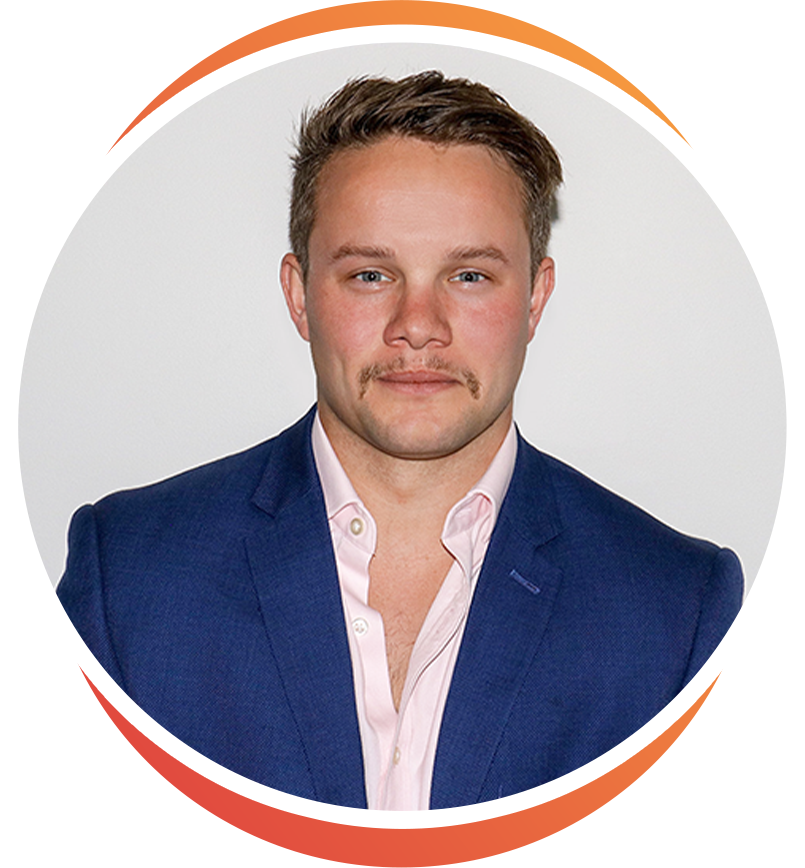
Ryan Terrey
As Director of Marketing at The Entourage, Ryan Terrey is primarily focused on driving growth for companies through lead generation strategies. With a strong background in SEO/SEM, PPC and CRO from working in Sympli and InfoTrack, Ryan not only helps The Entourage brand grow and reach our target audience through campaigns that are creative, insightful and analytically driven, but also that of our 6, 7 and 8 figure members' audiences too.